

Let’s get this out of the way early: eat how you want. I genuinely mean that. What I don’t love is being told how I should eat—usually by someone who just learned my name and already hates my dinner.
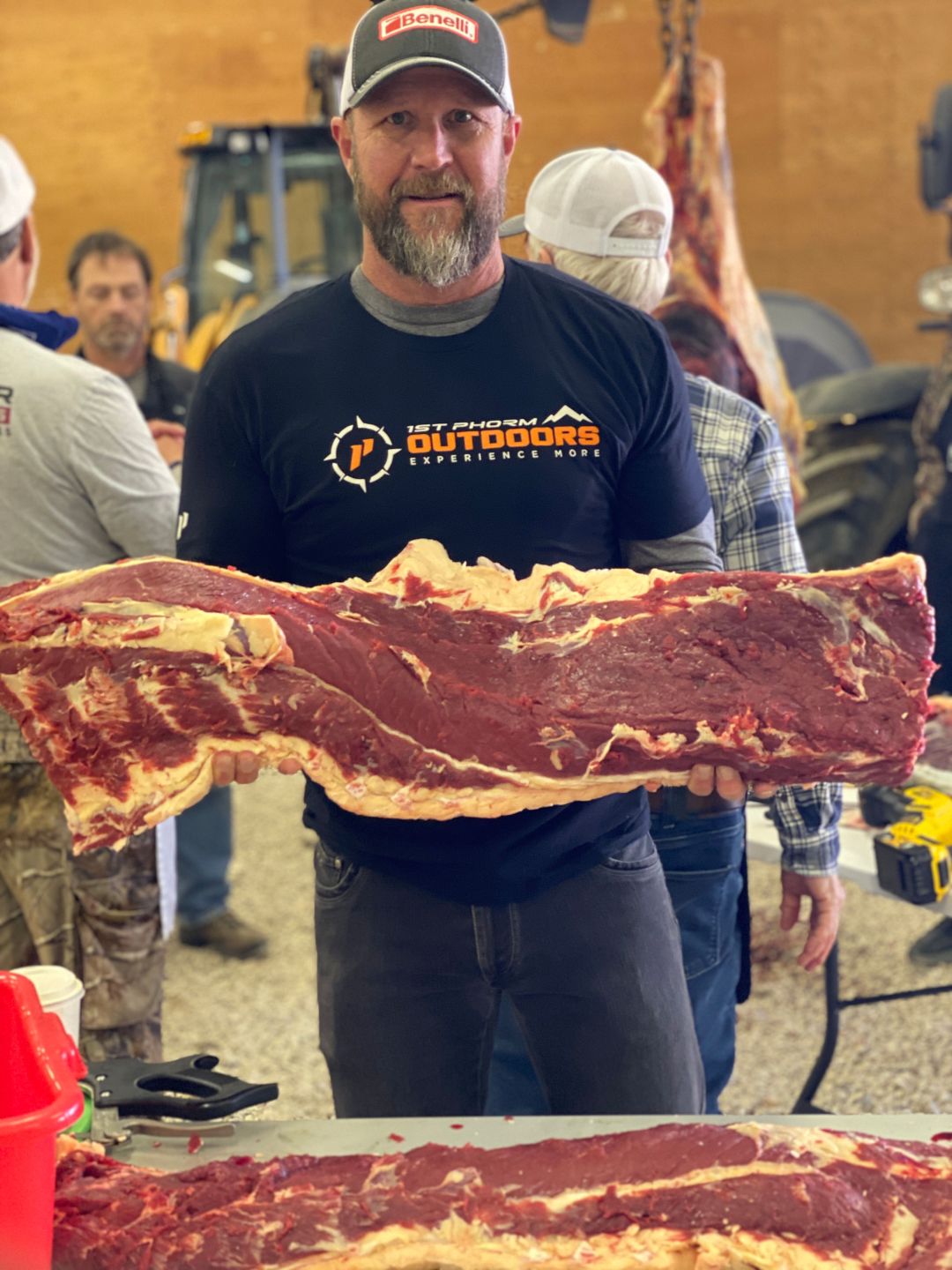
I hunt. I process my own meat. I know exactly where my food comes from, how it lived, and how it died. From field to table isn’t a slogan for me—it’s Tuesday.
That’s why I’m not a vegan.
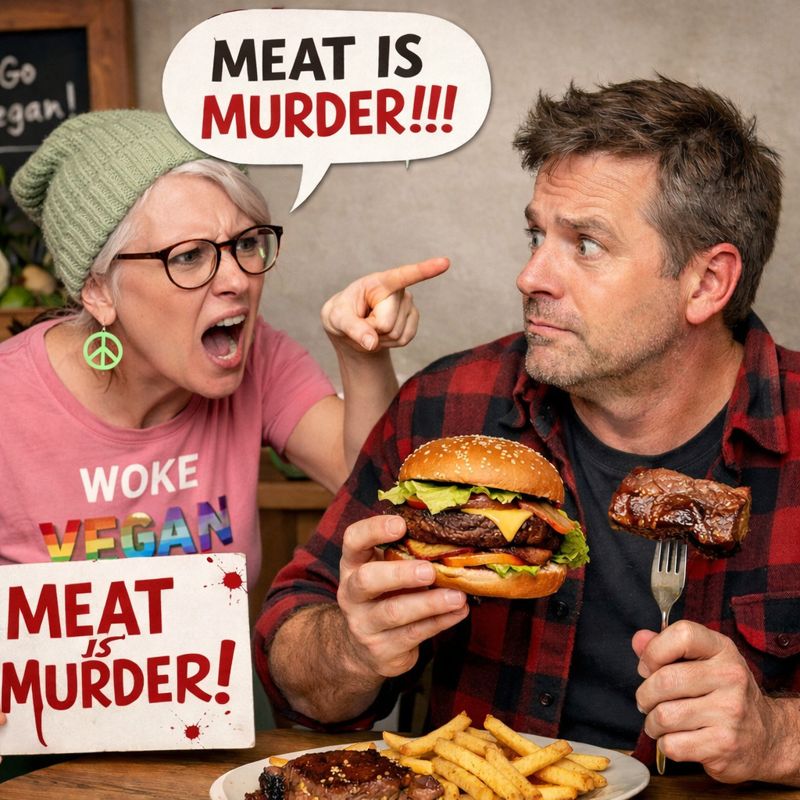
I hear this one a lot, usually right before someone tries to explain my own teeth to me.
Here’s the simple version: humans are omnivores. We’ve got cutting teeth, tearing teeth, grinding teeth, stomach acid that could strip paint, and a digestive system that does just fine with both plants and animals. Archaeology shows humans have been eating meat for a couple million years—long before Instagram nutrition gurus showed up.
If meat was against our design, we’re the worst‑designed species in history. We’ve been messing it up very successfully for a long time.
Can a vegan diet work? Sure. Plenty of people do it.
But let’s be honest about the fine print.
A strict vegan diet usually requires planning, supplementation, and food logistics that start sounding suspiciously like a chemistry set. Vitamin B12 is the big one—it doesn’t come naturally from plants in a reliable way. Same goes for vitamin D, iodine, zinc, iron, and long‑chain omega‑3s.
That doesn’t make veganism “bad.” It does mean it’s not automatically healthier, and it’s definitely not magic.
Personally, I prefer to get my nutrients from food that doesn’t need a warning label or a weekly reminder on my phone.
A common argument I hear is that veganism avoids animal death.
I wish that were true.
Modern crop agriculture kills animals—lots of them. Field mice, birds, rabbits, insects, even deer get taken out by tillage equipment, harvesters, habitat loss, and pesticides. The numbers are hard to pin down, but the reality isn’t.
Every food system has a body count. The difference is whether you acknowledge it—or ignore it because it’s inconvenient.
When I take an animal in the field, it’s intentional, legal, ethical, and quick. One animal feeds my family for months. No mystery. No outsourced guilt.
When people talk nutrition, they love to argue in abstractions.
So let’s keep this simple and put actual food on the table.
All portions below are 6 oz cooked, no sauces, no breading, no marketing department involved.
COMPARISON
Wild Venison
Calories: ~320Protein: ~61 gTotal
Fat: ~7 g
Saturated Fat: ~3 g
Iron: ~8.5 mg
Chicken Breast (Skinless)
Calories: ~275
Protein: ~52 g
Total Fat: ~6 g
Saturated Fat: ~1.7 g
Iron: ~1.7 mg
Beef Sirloin
Calories: ~320–360
Protein: ~50 g
Total Fat: ~13–16 g
Saturated Fat: ~5–6 g
Iron: ~3–5 mg
Values are approximate and vary by cut and cooking method. [foods.fatsecret.com], [foods.fatsecret.com], [eatthismuch.com]
Now add the part no nutrition label shows:
That’s not just nutrition — that’s accountability.
No mystery meat. No moral outsourcing. No shrink‑wrap.
Wild game isn’t perfect.
It’s honest.
And I’ll take that every time.
Let’s talk meat—specifically wild game.
Venison is lean, protein‑dense, and loaded with iron. It’s lower in fat than most store‑bought beef and doesn’t come from a feedlot, a truck, or a shrink‑wrapped tray under fluorescent lights.
That deer lived free, ate what it was meant to eat, and got one bad day instead of a bad life.
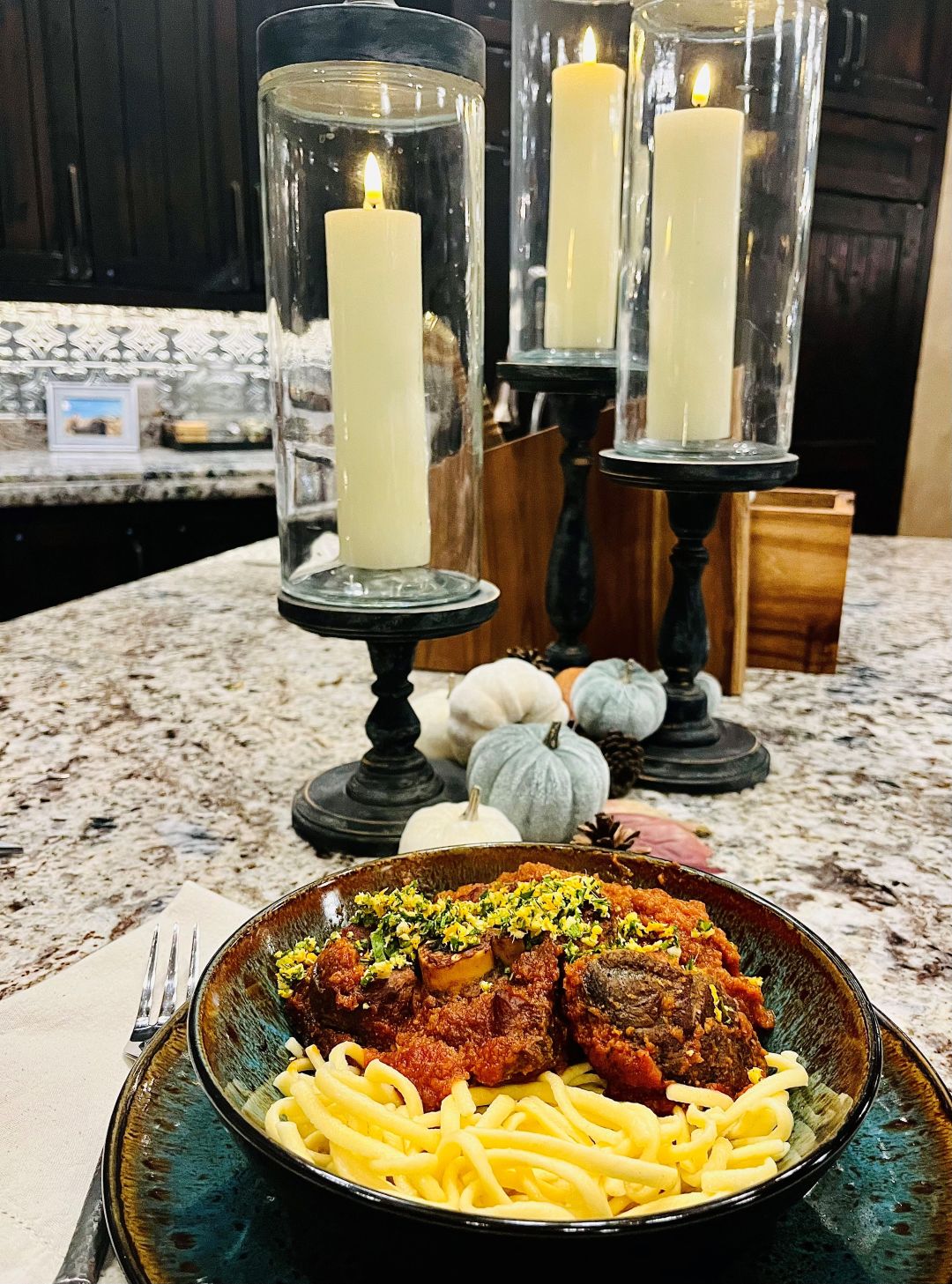
Nutritionally? Venison brings high protein, B12, heme iron, zinc, and other compounds your body actually knows what to do with. No fortifying, enriching, or labeling required.
And here’s the kicker: it never once told me how to eat.
I’m not trying to convert anyone. I’m not anti‑vegan. I’m anti‑preaching.
If vegan works for you—great. If hunting, fishing, and responsible meat consumption work for you—also great.
Just don’t confuse your choices with moral superiority.
I’ll keep doing what I’ve always done:
And yes—I’ll keep eating vegetables.
They’re called sides.
If you want to know where your food comes from, how it lived, and how to respect it all the way to the table—you’re in the right place.
That’s what this site is about. From Field to Table Events
Call us 918 258 7817 or email info@outdoorsolutionscorp.com


